A Historical Land of Vines:
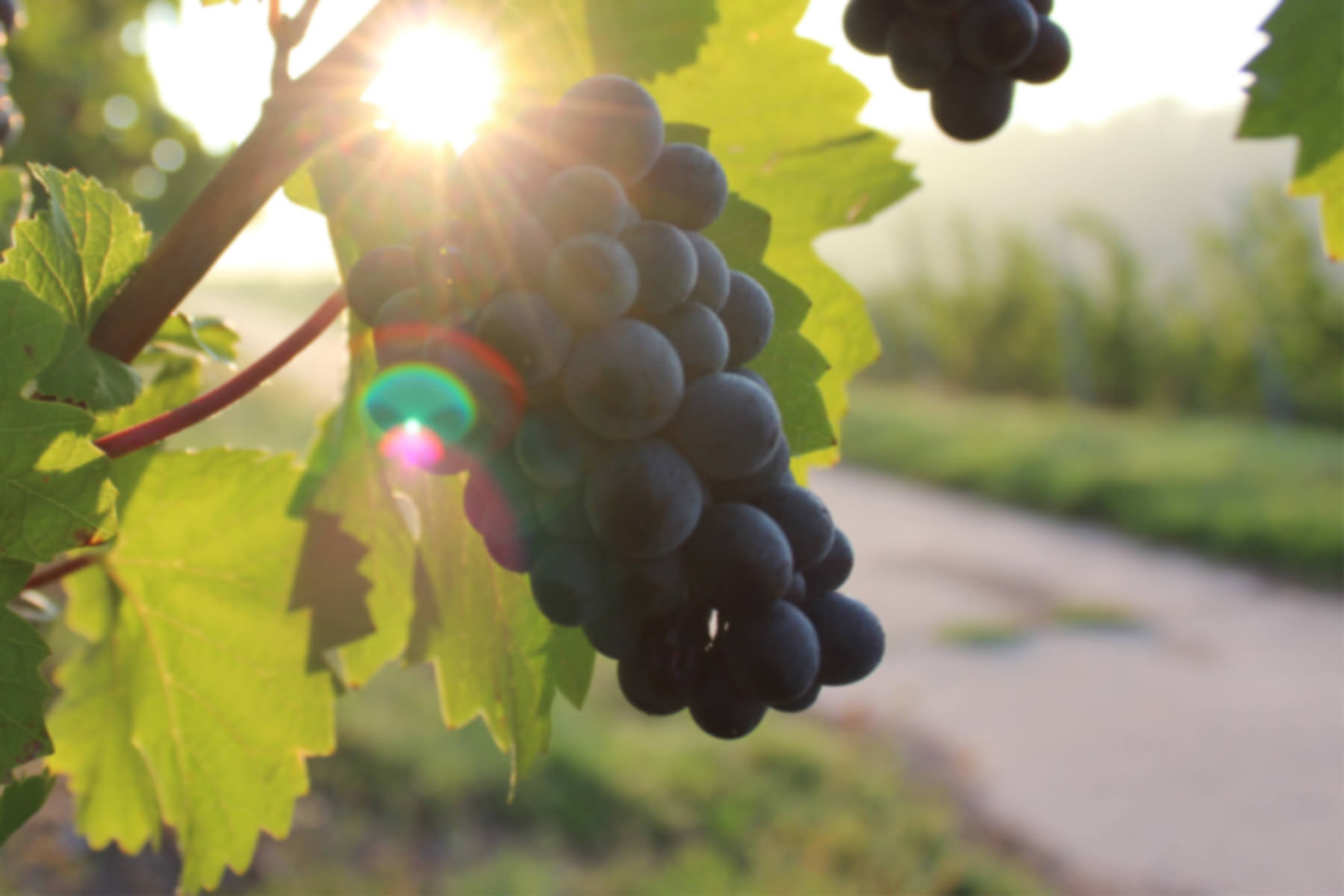
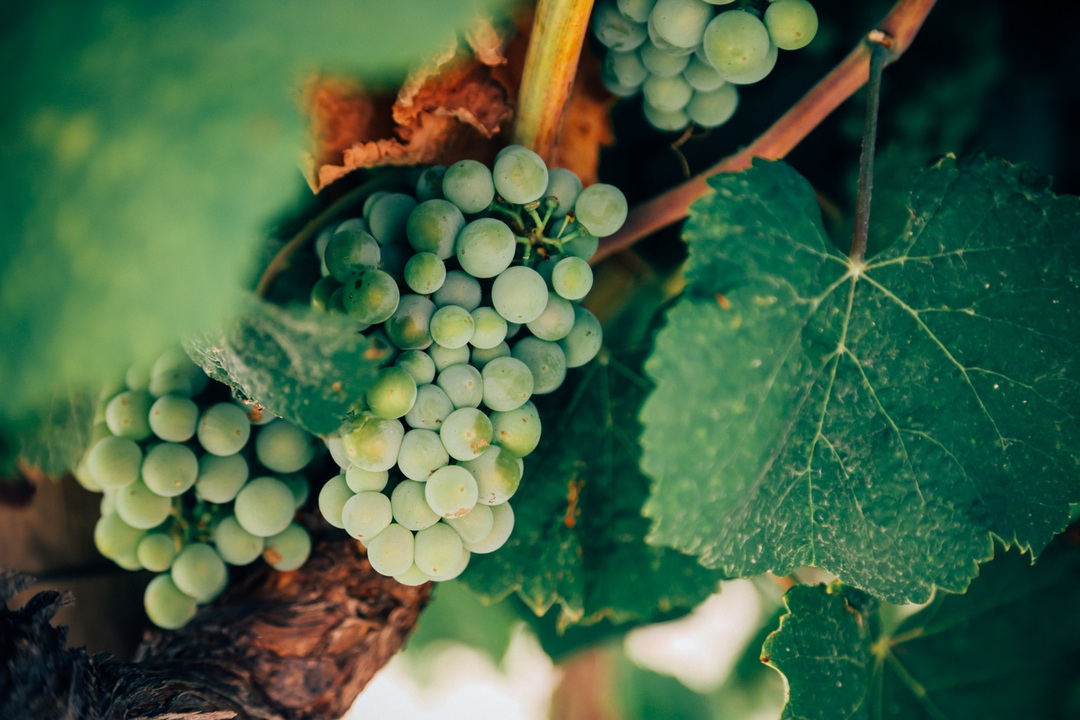
The Languedoc region of Southern France is one of the world’s oldest wine-producing areas. Viticulture here dates back to the 6th century BC when Greek settlers planted the first vines near Agde and established trading posts along the Mediterranean coast. However, it was under Roman rule that winemaking truly flourished. Roman veterans received land near Narbonne and Béziers, and the wines of Languedoc began their journey across the ancient world, thanks to the Via Domitia, reaching as far as Greece and Upper Egypt.
From the Renaissance maritime routes to the 17th-century construction of the Canal du Midi, and the 19th-century development of the railway network, Languedoc wines were continuously exported, becoming a resilient symbol of French culture—even during wars and invasions.
From Quantity to Quality
At the dawn of the 20th century, Languedoc wine faced a major crisis. Between 1905 and 1907, overproduction created a glut in the market. Anecdotes from that time tell of cafés selling wine “by the hour,” allowing customers unlimited consumption within a paid timeframe—just to reduce stock.
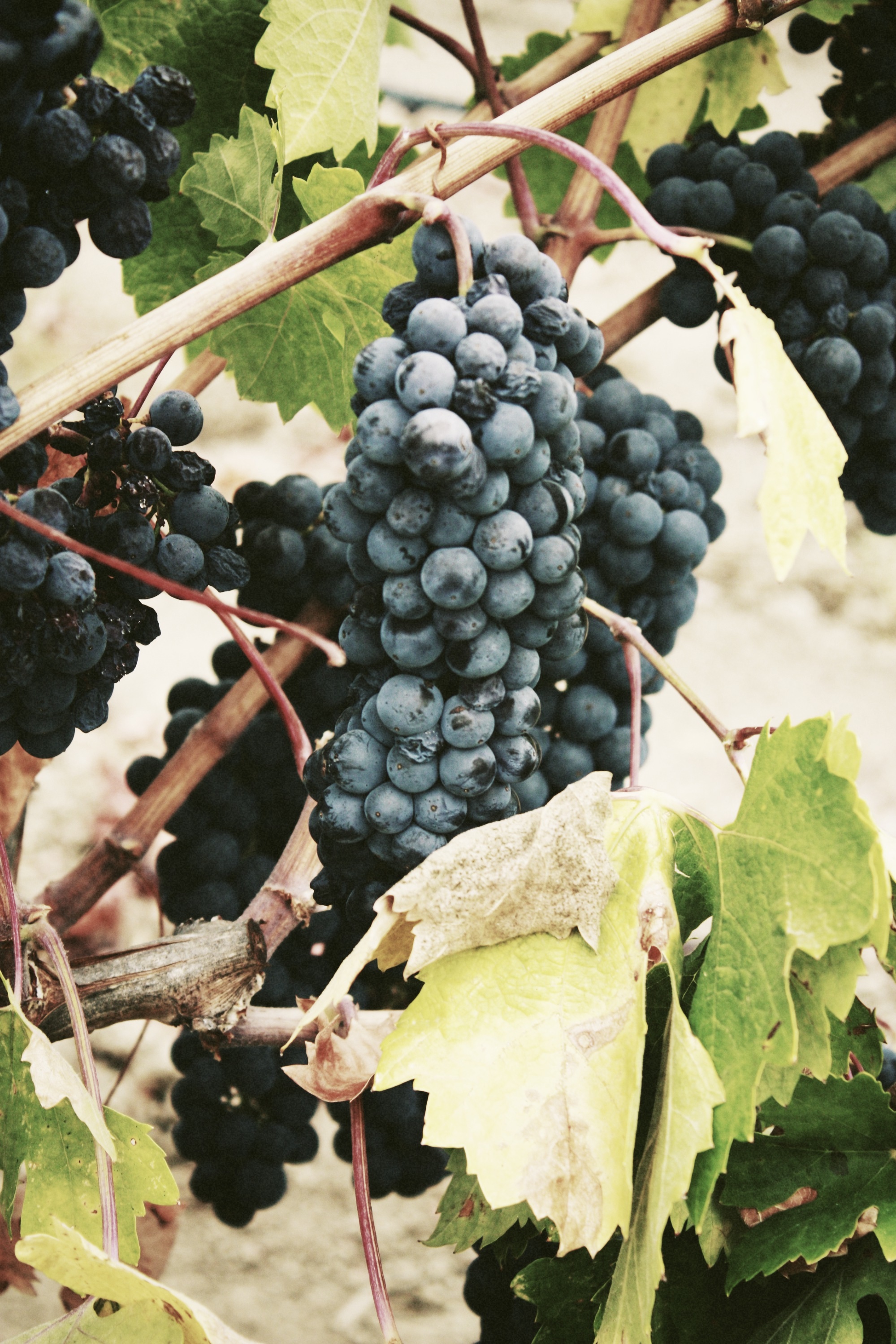
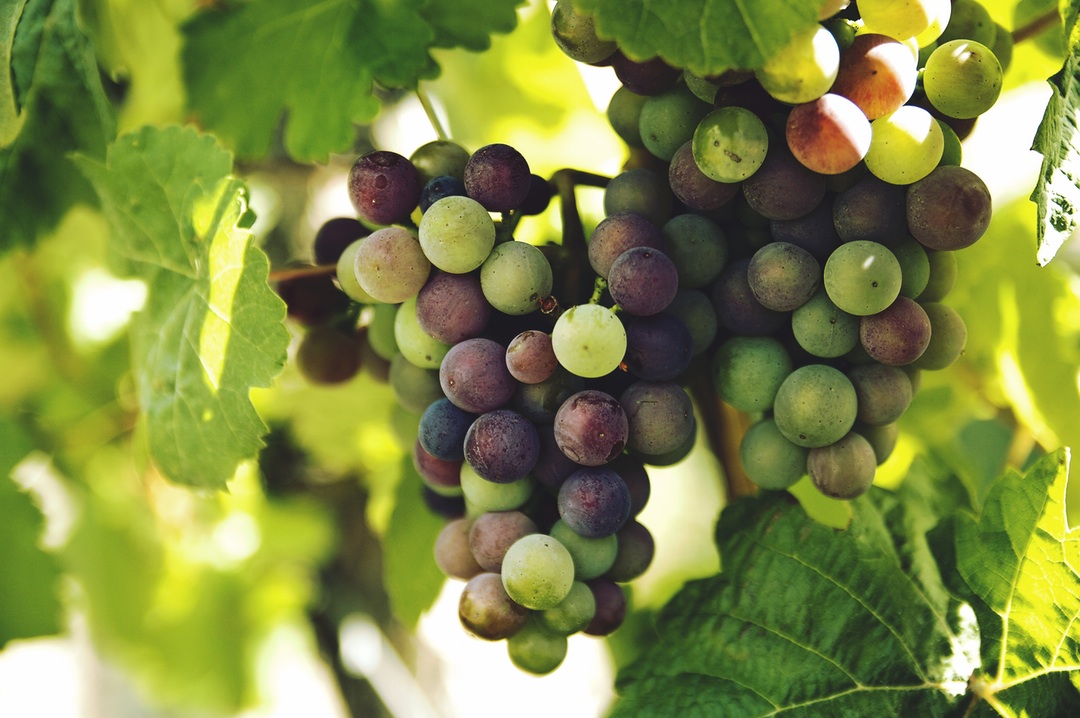
This crisis, however, sparked a transformation. Producers shifted their focus from mass production to quality winemaking. Today, Languedoc-Roussillon is the largest vineyard area in the world, with nearly 280,000 hectares stretching from the Rhône River to the Pyrenees.
Understanding Wine Classifications in Languedoc
Appellation d’Origine Contrôlée (AOC)
AOC wines represent the highest quality, strictly regulated by laws governing vineyard location, grape varieties, and winemaking techniques. These wines showcase the region’s best terroirs and traditions.
Indication Géographique Protégée (IGP)
Introduced in 2009, IGP certification offers European recognition for the geographical origin of a wine. It is less restrictive than AOC but still ensures a clear traceability and strong regional identity.
Vin de Pays (Country Wine)
These wines reflect local character and diversity. Languedoc alone produces around 75% of France’s Vin de Pays, contributing to nearly a quarter of the country’s overall wine output. While the regulations are more flexible than AOC, quality can still be high.
Vin de Table (Table Wine)
Table wines are the most basic classification, with minimal restrictions. They may include grapes sourced from different regions of France or the EU and make up around 40–50% of the French wine production.
Discover Wine Through Education
To truly appreciate the complexity of Languedoc’s wines, it’s essential to understand the nuances of appellations, terroirs, and food pairings.
At Gastronomicom, an internationally renowned culinary school based in Agde, you can explore professional wine courses tailored for food and wine enthusiasts. Whether you’re a chef, sommelier in training, or simply a wine lover, Gastronomicom offers a unique opportunity to deepen your knowledge in the heart of French wine country.
Discover our Wine Courses at Gastronomicom
Wine in the French Economy
- 66 French départements produce wine.
- France holds 10% of the world’s total vineyard area, producing 17% of global wine output.
- Wine exports generate €7.4 billion, with 13.7 million hectoliters shipped annually.
- Wine ranks third among French export sectors.
French Wine Consumption & Tourism
- The French drink, on average, half a glass of wine per person per day.
- France ranks second in global wine consumption, with 12% of total world consumption.
- In 2012, each French citizen consumed an average of 50 liters of wine per year.
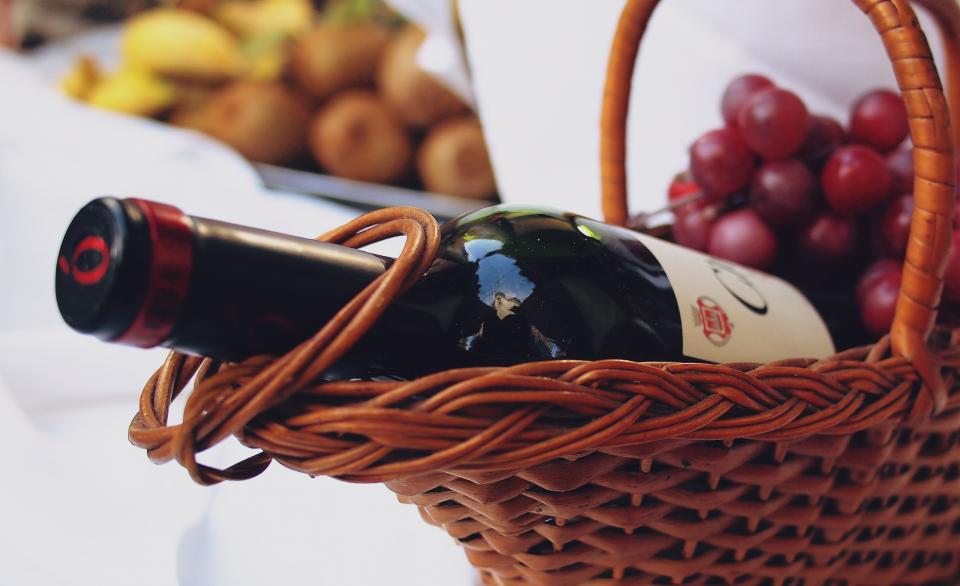
- 10 million tourists visit France each year for wine-related experiences.
- France boasts 31 wine museums and theme sites, and the total vineyard area equals nearly 1 million rugby fields.